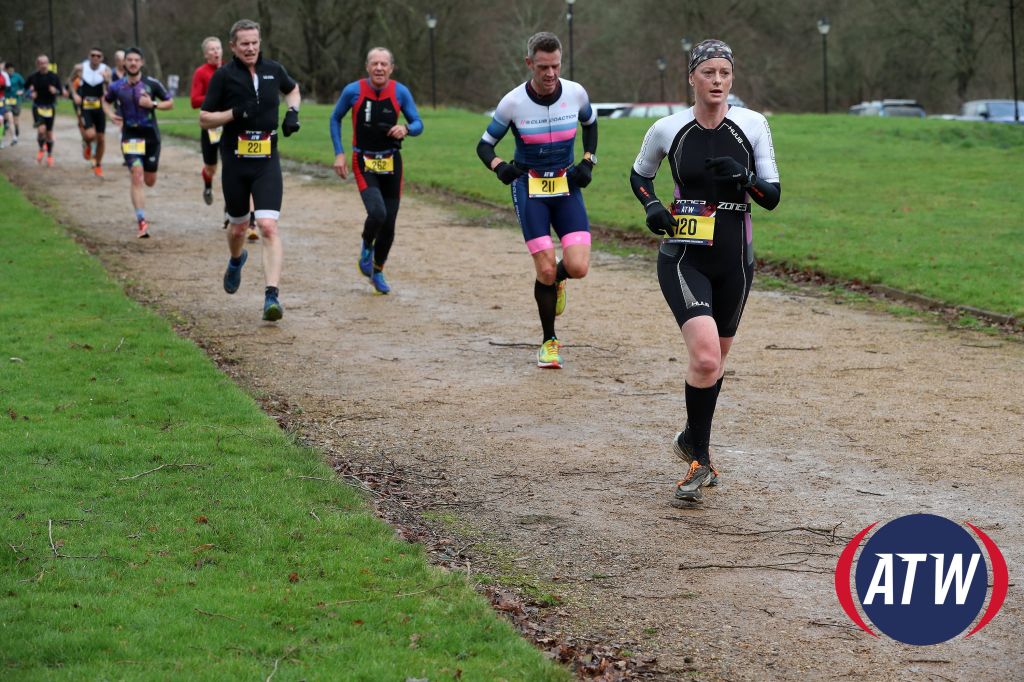
On Sunday I took part in my first standard-distance duathlon, and I’ve spent a couple of days reflecting on the experience and wanted to share what I learned. For me these lessons are relevant to life beyond this sport, which is why I’m sharing them here.
But first some terms:
A duathlon is a multi-sport event consisting of a run, then a cycle, then a run
A standard distance is around 10 k run, 40 k bike, 5 k run (6.2, 24.8, 3.1 miles)
A transition is the switch over point in the race from one sport to the other – ie. run to bike, bike to run. It requires entering a transition area, and changing gear, before leaving the transition area.
Here are the lessons I’ve chosen to take away:
1-Getting to the start line is most of the battle
I’ve been training hard over the past few months, during a UK winter that has been generous with its rubbish weather, work and home life uncertainties, and other stressors. I was fortunate to have a few days away in Spain, but otherwise, my exercise and achievements has been hard fought, and with the constant lurgies at this time of year, I feel like I was constantly fending off a bug.
Furthermore, the race was a four-hour drive down south from my house, and I travelled alone, spending the previous night in accommodation nearby, then getting to and from the event by myself.
2-It helps to have someone in your corner.
I was one of very few competitors who travelled alone to the event. Not only is it fab to know that someone is there to support you, but logistically it makes a heck of a difference. Extend this analogy beyond racing, and it’s helpful to recognise the value of having someone you can rely on and trust in your corner, even if they’re only going to drive you home, feed you chocolate or call your name.
2-Do your research where you can
Uncertainty breeds anxiety. I ensured I got to the race venue in day light the night before and drove the course. It really helped me visualise what was coming and compare the climbs with ones I knew from home. I checked with the owner if it was ok to store my bike. What didn’t help so well was the lack of research around the accommodation and where to eat the night before. I ended up in a place on a busy road, next to a pub that didn’t serve food for dinner, so had to find another food option.
4-Remind yourself you have a right to be here.
I get nervous before even the least competitive of races. I get nervous walking out onto a stage, after years of public speaking. I get nervous before teaching, or delivering workshops when I have decades of experience. Sometimes I am so nervous it impacts my performance.
I know that imposter syndrome is most likely to affect those who care passionately about their mission, who are motivated and who deserve to be there. I reminded myself of this as I stood on the start line.
I also struck gold with some amazing advice from a fellow duathlete Christina, who suggested I write a diary on race eve, writing in the third person about how I might feel and what I might do to. ‘Hannah will feel nervous, but this is normal. She will not get carried away when everyone races off at the start but stick to her plan’. Thank you, Christina, it worked a treat and allowed for the perfect balance of nerves and excitement.
5 Be prepared to manage your expectations
The night before the race it poured with rain. The morning of the race, the storm had not abated. The race was delayed an hour for a final check before it ultimately went ahead. With a delayed start impacting my food intake, my mind set, and weather conditions meaning a change of run route and trickier cycling conditions, I made a decision that my priority was to get around in one piece and an extra bonus if I enjoyed it. I did both.
6-There is an immense power in a compassionate community
I met so many people on Sunday who encourage and inspired me, people who checked in on me, who offered advice, who shared their enthusiasm with a complete stranger. The sport united us, the bleak conditions too, but it’s safe to say, this community – with a shared passion – buoyed me immensely.
7-Don’t beat yourself up.
The people who turned up were among the best in the country. It was my first attempt at this distance. I was the absolute slowest of the women in transition. I could come away from this feeling like I want to give up, but I am determined to do better next time, to learn from what I did and didn’t do, and believe I am capable of so much more. We all have days which don’t go brilliantly and we can sit and sulk or we can channel those lessons.
8-Having the right kit helps, so does knowing how to use it and practising doing so
My transitions were slow. Reflecting on them, there are three areas for me to improve. One is having the right kit and knowing what I’m going to use. The other is practice. The third is self-belief. Both my running shoes and bike shoes caused me delays in getting them on. I procrastinated about whether or not I needed my gilet to cycle. I started to question myself because I hadn’t practised this part of the race any where near as much as I might. Transitions really are the third discipline in duathlons.
9-Recognise how far you have come. How very far.
Eighteen months ago, I learned how to cycle with my feet clipped into the pedals. This weekend, I competed against some of the best in the world at my new discipline. I am proud of myself and every second of the two hours forty-seven minutes of that race was evidence of how far I have come, every wheel rotation and every step a move forwards.
10- Exercise is amazing medicine for my mental health
It’s not just the endorphins, exercise really does fill me with joy. Even if it hurts like hell while I’m doing it, the sense of achievement at the end is unparalleled. I started cycling after getting injured in my running and because I knew the benefits of exercise to my mental health. I’ve never felt more invigorated, inspired, and grateful to be able to see what my body and brain are truly capable of.
 hannahstormmedia.com